NJ (908) 688-5577
NY (212) 737-2528


Running places repeated stress on the feet, which can lead to several types of injuries over time. One of the most frequent problems is plantar fasciitis. This condition involves irritation of the thick band of tissue along the bottom of the foot that supports the arch. Runners may also develop Achilles tendonitis, where the tendon connecting the calf to the heel becomes inflamed and painful. Stress fractures are another concern, referring to small cracks in the bone caused by repeated impact. Pain in the ball of the foot can develop from inflammation around the toe joints. A podiatrist can evaluate foot structure, assess gait, and use X-rays or other imaging tests to confirm a diagnosis. Treatment options include custom orthotic devices, bracing, and guidance on improving foot alignment to reduce strain. If you are experiencing foot pain after running, it is suggested that you make an appointment with a podiatrist for treatment.
All runners should take extra precaution when trying to avoid injury. If you have any concerns about your feet, contact Glenn Davison, DPM of Advanced Podiatry. Our doctor will treat your foot and ankle needs.
How to Prevent Running Injuries
There are a lot of mistakes a runner can make prior to a workout that can induce injury. A lot of athletes tend to overstretch before running, instead of saving those workouts for a post-run routine. Deep lunges and hand-to-toe hamstring pulls should be performed after a workout instead of during a warmup. Another common mistake is jumping into an intense routine before your body is physically prepared for it. You should try to ease your way into long-distance running instead of forcing yourself to rush into it.
More Tips for Preventing Injury
If you have any questions, please feel free to contact our offices located in Union, NJ and New York . We offer the newest diagnostic and treatment technologies for all your foot care needs.

If left untreated, an ingrown toenail can lead to more serious concerns, such as an infection. Knowing proper nail care can help in the prevention of an ingrown toenail. Give us a call, and get treated!
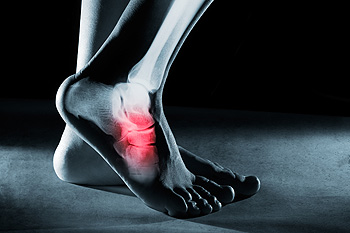
Foot stress fractures are small cracks in the bones of the foot caused by repetitive stress or overuse, rather than a single traumatic event. Common symptoms include localized pain that worsens with activity, swelling, tenderness, and bruising. They often result from high-impact activities, sudden increases in exercise intensity, or improper footwear. Risk factors include osteoporosis, poor nutrition, improper training techniques, and repetitive athletic activity. Prevention can involve adjusting training routines, wearing supportive shoes, and shortening stride length to reduce impact on the bones. A podiatrist can diagnose stress fractures with imaging, formulate a treatment plan, prescribe orthotics, and offer guidance to safely return to activity. If you have symptoms of a foot stress fracture, it is suggested that you consult a podiatrist who can confirm the problem and offer appropriate treatment solutions.
Activities where too much pressure is put on the feet can cause stress fractures. To learn more, contact Glenn Davison, DPM from Advanced Podiatry. Our doctor can provide the care you need to keep your pain free and on your feet.
Dealing with Stress Fractures of the Foot and Ankle
Stress fractures occur in the foot and ankle when muscles in these areas weaken from too much or too little use. The feet and ankles then lose support when walking or running from the impact of the ground. Since there is no protection, the bones receive the full impact of each step. Stress on the feet can cause cracks to form in the bones, thus creating stress fractures.
What Are Stress Fractures?
Stress fractures occur frequently in individuals whose daily activities cause great impact on the feet and ankles. Stress factors are most common among:
Symptoms
Pain from the fractures occur in the area of the fractures and can be constant or intermittent. It will often cause sharp or dull pain with swelling and tenderness. Engaging in any kind of activity which involves high impact will aggravate pain.
If you have any questions please contact our offices located in Union, NJ and New York . We offer the newest diagnostic and treatment technologies for all your foot and ankle needs.

 Advanced Podiatry - Default