NJ (908) 688-5577
NY (212) 737-2528

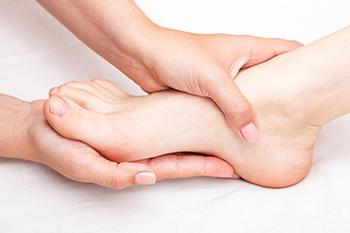
In our daily lives, there are habits that can harm our foot health, and podiatrists can provide advice to help us break them. Examples of that are provided here. Attempting DIY ingrown toenail removal with non-sterile tools can lead to infections. Believing our shoe size remains constant is a misconception. Periodic foot measurements and trying different brands can help find the best fit. Wearing flats as daily footwear may lack cushioning for shock absorption, causing heel pain or metatarsalgia. Walking barefoot on surfaces like hardwood floors can lead to issues. Worn-out shoes affect body alignment and should be replaced when they show wear. Protect your feet in locker rooms with flip-flops. Running without socks increases the risk of blisters and infections. Using running shoes for different sports can cause injury, and appropriate gear for specific sports should be invested in. Most importantly, if you have foot injuries, infections, or seek appropriate footwear recommendations tailored to your specific foot shape and function, it is suggested that you schedule an appointment with a podiatrist who can help with all foot and ankle-related issues.
If you are experiencing pain in the feet or ankles, don’t join the stubborn majority refusing treatment. Feel free to contact the doctors from Advanced Podiatry. Our doctors can provide the care you need to keep you pain-free and on your feet.
What Is a Podiatrist?
Someone would seek the care of a podiatrist if they have suffered a foot injury or have common foot ailments such as heal spurs, bunions, arch problems, deformities, ingrown toenails, corns, foot and ankle problems, etc.
Podiatric Treatment
A podiatrist will treat the problematic areas of the feet, ankle or lower leg by prescribing the following:
A common podiatric procedure a podiatrist will use is a scanner or force plate which will allow the podiatrist to know the designs of orthotics. Patients are then told to follow a series of tasks to complete the treatment. The computer will scan the foot a see which areas show weight distribution and pressure points. The podiatrist will read the analysis and then determine which treatment plans are available.
If you have any questions, please feel free to contact our offices located in Union, NJ and New York . We offer the newest diagnostic and treatment technologies for all your foot care needs.
The branch of medicine that is focused on the treatment, diagnosis, and study of disorders of the lower leg, ankle and foot is referred to as podiatry. Because people often spend a great deal of their time on their feet, many problems in this area can occur. A person seeks help from the field of podiatry when they need treatment for heel spurs, bunions, arch problems, deformities, ingrown toenails, corns, foot and ankle problems, infections, and problems with the foot that are related to diabetes and additional diseases.
To treat problems of the foot, ankle or lower leg, a podiatrist may prescribe physical therapy, drugs, perform surgery, or set fractures. Individuals may also be recommended to wear corrective shoe inserts, custom-made shoes, plaster casts and strappings in order to correct deformities.
When trying to gather information on a patient problem, a scanner or force plate may be used in order to design orthotics. During this procedure, patients are told to walk across a plate that is connected to a computer; the computer then takes a scan of the foot and indicates weight distribution and pressure points. The computer readouts will give the podiatrist information to help them determine the correct treatment plans.
Diagnosis is also provided through laboratory tests and x-rays. Through the foot, the first signs of serious problems such as heart disease, diabetes and arthritis can show up. For example, individuals that have diabetes may frequently have problems such as infections and foot ulcers because they experience poor circulation in the foot area. A podiatrist can then have consultations with patients when symptoms arise. Referrals will then be made to specialists that handle the greater health problems.
Some podiatrists have their own independent, private practices or clinics where they have a small staff and administrative personnel. Many podiatrists work within group practices. They usually spend time performing surgery in ambulatory surgical centers or hospitals, or visit patients in nursing homes. Podiatrists typically spend between 30 to 60 hours of week working. Some podiatrists specialize in public health, orthopedics, surgery, or primary care. Other fields include specialties in geriatrics, dermatology, pediatrics, diabetic foot care and sports medicine.
Some podiatrist specialists complete extra training in the area of foot and ankle reconstruction that results from the effects of physical trauma or diabetes. There are also surgeons that perform surgery of a cosmetic nature to correct bunions and hammertoes.
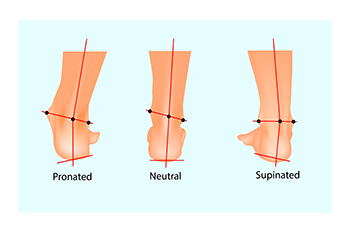
Overpronation, a common foot condition involving excessive inward rolling, requires careful attention to alleviate symptoms and prevent complications. The primary approach to overpronation involves adopting supportive footwear, which may include specialized shoes to minimize excessive movement and provide stability in the heel and midfoot. For those with moderate to severe overpronation, custom orthotics, tailored to the individual's foot shape, provide personalized assistance in reducing overpronation. Targeted exercises are believed to help in correcting overpronation. The short-foot exercise, involving lifting the arch of the foot off the ground, is particularly beneficial in addressing overpronation. In rare cases of severe overpronation, surgical intervention may be necessary. Reconstruction surgery aims to realign bones, providing better arch support, and may involve the use of stabilizing metal implants. If overpronation affects your well-being, it is suggested that you make an appointment with a podiatrist for a gait analysis, examination, and a treatment plan targeted to your particular condition.
If you have any concerns about your feet, contact the doctors from Advanced Podiatry. Our doctors can provide the care you need to keep you pain-free and on your feet.
Biomechanics in Podiatry
Podiatric biomechanics is a particular sector of specialty podiatry with licensed practitioners who are trained to diagnose and treat conditions affecting the foot, ankle and lower leg. Biomechanics deals with the forces that act against the body, causing an interference with the biological structures. It focuses on the movement of the ankle, the foot and the forces that interact with them.
A History of Biomechanics
Modern technological improvements are based on past theories and therapeutic processes that provide a better understanding of podiatric concepts for biomechanics. Computers can provide accurate information about the forces and patterns of the feet and lower legs.
Understanding biomechanics of the feet can help improve and eliminate pain, stopping further stress to the foot.
If you have any questions please feel free to contact our offices located in Union, NJ and New York . We offer the newest diagnostic and treatment technologies for all your foot and ankle needs.
Podiatry is a branch of medicine that deals with the study, diagnosis, and treatment of foot and ankle conditions. There are various subdivisions in podiatry; biomechanics is one of them. Biomechanics is the way in which the bones, muscles, and joints of the feet and lower limb interact with each other.
Our feet play crucial roles in the way we move, and it is rare to have feet that are completely symmetrical. Common biomechanical issues include high or low arches or uneven leg heights. Excessive pronation often leads to fallen arches, or flat feet, and is a common cause of running injuries. People whose feet are over-pronated tend to have flexible and unstable feet. Pain is usually experienced during walking and running.
At times, people may be able to adapt to these abnormalities without any difficulties, but in other cases, these issues can cause a great deal of pain. This pain occurs because the joints, muscles, ligaments, and tendons are put under an excess amount of stress during movement. Common symptoms of biomechanical problems stemming from the feet include hip pain, knee pain, leg cramps, ankle pain, lower back pain, weak ankles, tripping, heel pain, Achilles pain, and shin splints.
Many biomechanical issues can be treated with orthotics. Orthotics are shoe insoles that are used to help control the way the foot operates. They can provide relief from foot pain, heel pain, and knee pain. Depending on your specific case, you may need to purchase over-the-counter orthotics or custom orthotics to fit your feet. Your podiatrist will be able to prescribe the perfect orthotic for your feet to help you walk around with ease.
Gait is defined as the way we move our bodies from one point to another. This is usually done by either walking or running. Gait analysis is a method used to assess the way we walk or run to highlight biomechanical abnormalities. Gait analyses are a great way to take a detailed look at how you walk and how your foot moves while you walk. An examination of the feet will help your podiatrist understand why you are suffering pain in other parts of your body.

Most children take their first steps between eight and 18 months of age. Initially, toddlers often exhibit flat feet or a tendency to turn their feet inwards due to muscle strength and ligament stiffness catching up with their overall development. This flat-footedness typically improves as the bones strengthen and the feet gain more muscle support. Additionally, some toddlers may walk with one or both feet turned inwards, known as in-toeing, which can originate from the foot, lower leg, or upper leg. In rare cases, toddlers may walk with their feet turned outwards, or out-toeing. Parents should also look for signs such as abnormally shaped toes, persistent or painful ingrown toenails, bunions, foot stiffness, limping, or a sudden change in the child's walking pattern. Other common causes of foot pain include ingrown toenails that persist, and deformities or lumps in the foot. If your child complains of pain while walking, limps, or demonstrates a significant change in their walking pattern, or if your child hasn't started walking by the age of two, a consultation with a podiatrist can help rule out potential developmental concerns. In cases of pain, limited function, or a sudden change in your child's walking pattern, it is a good idea to schedule an appointment with a podiatrist for a thorough exam and diagnosis.
The health of a child’s feet is vital to their overall well-being. If you have any questions regarding foot health, contact the doctors of Advanced Podiatry. Our doctors can provide the care you need to keep you pain-free and on your feet.
Tips for Keeping Children's Feet Healthy
If you have any questions, please feel free to contact our offices located in Union, NJ and New York . We offer the newest diagnostic and treatment technologies for all your foot care needs.
Being a parent involves caring for your child in every way you can. You make sure they are eating the right food, being nice to others, and staying out of any trouble. However, it is also important that you are watchful of their health, more specifically their foot health. Maintaining good foot health in childhood is important in preventing later conditions in life from happening. As children continue to develop, their feet require different techniques of care. Here are some various ways in which you can help your child’s feet stay healthy.
A baby needs a lot of care and attention overall, but the importance of their feet should never be forgotten. Before a baby turns one, their feet change and develop greatly. It is important that during this time, a mother avoids putting tight socks on their child. She should also encourage movement of their feet so the baby can begin to feel more comfortable using them.
As a baby enters the toddler years of his or her life, they are begin to walk around. When your baby begins to take those first steps, it is crucial that they are wearing protective shoes on their feet. As a mother that is observant of your child’s feet, you may notice changes in them. This is completely normal as the feet are becoming susceptible to the activity of walking. It is normal for a toddler to be a bit unsteady or to “walk funny” at first.
When your child grows out of their toddler years, it is important that you begin to show him or her how to care for their feet on their own. Practice with your child proper hygiene in order to prevent foot fungus or infection. Since children are constantly on the move, it is crucial to be cautious of any accidents or injuries that might occur. If an injury occurs, it is advised that you take your child to be examined by a doctor immediately. Since your child is still growing, particular injuries can shift the way in which a bone or other important part of the foot is developing.
Babies and kids are always changing and growing. Your job as a parent is to make sure they stay healthy and making sure they are properly maintained. This involves proper foot care and making sure the feet stay healthy. Following this guide, your child can live a long and happy life.
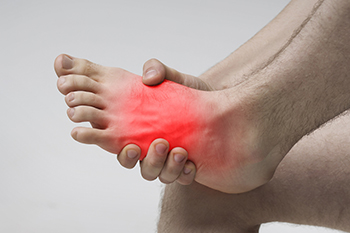
Engaging regularly in high-impact activities, like basketball, running, or professional dancing, may expose you to the discomfort of a foot stress fracture. This overuse injury involves hairline cracks in weight-bearing bones of the foot. If left untreated, a stress fracture in the foot can escalate into a more serious concern. However, stress fractures are not always easy to diagnose. Pain upon weight-bearing activities that often subsides after rest is a primary indicator of stress fractures. Tenderness in the affected area, occasional bruising, and swelling around the ankle are other signs to be noted. Various factors contribute to the development of stress fractures in the foot. Overuse and repetitive stress, stemming from prolonged engagement in activities without adequate rest, can subject the foot bones to cumulative stress. Wearing inadequate footwear, whether ill-fitting or worn-out, further elevates the risk by providing insufficient support and shock absorption. Additionally, suddenly increasing the intensity or duration of physical activity can overwhelm the bones, especially without sufficient time to adapt. Nutritional deficiencies, particularly in calcium and vitamin D, can weaken bones and make them more susceptible to hairline fractures. If you believe you may have incurred a foot stress fracture, it is suggested that you make an appointment with a podiatrist for a thorough exam and suitable imaging tests and treatment options.
Stress fractures occur when there is a tiny crack within a bone. To learn more, contact the doctors from Advanced Podiatry. Our doctors can provide the care you need to keep you pain free and on your feet.
How Are They Caused?
Stress fractures are the result of repetitive force being placed on the bone. Since the lower leg and feet often carry most of the body’s weight, stress fractures are likely to occur in these areas. If you rush into a new exercise, you are more likely to develop a stress fracture since you are starting too much, too soon. Pain resulting from stress fractures may go unnoticed at first, however it may start to worsen over time.
Risk Factors
Stress fractures do not always heal properly, so it is important that you seek help from a podiatrist if you suspect you may have one. Ignoring your stress fracture may cause it to worsen, and you may develop chronic pain as well as additional fractures.
If you have any questions please contact our offices located in Union, NJ and New York . We offer the newest diagnostic and treatment technologies for all your foot and ankle needs.
Our bones are important aspects of our body and they are constantly changing. The heavier the workload for a bone, the more likely it is that calcium will be placed in it. When a bone isn’t used often, there won’t be much calcium within it. When stress from repetitive loads prevent the bone from being able to repair itself, cracks will start to form. Stress fractures are defined as cracks in a bone that result from repetitive force, such as overuse.
The most common cause of stress fractures is a sudden increase in intensity and duration of physical activity. For example, if you begin to run long distances without working your way into doing so, you will be more likely to develop a stress fracture.
Common symptoms of stress fractures are pain and swelling near the weight bearing area on the injured bone. When initial x-rays are performed, it is possible that the fracture will not show up. However, once the stress on the area continues, the damage will increase, and the fracture will be severe enough to show up on an x-ray. Certain parts of the foot are more likely to develop stress fractures than others. Areas that typically have these fractures are: the metatarsals, the navicular bone, the calcaneus, tibia, and fibula.
Since women are at an increased risk of developing osteoporosis, they are twice as likely as men to sustain a stress fracture. Additionally, old age causes a decrease in bone mineral density which is why elderly people are also likely to develop these fractures.
It is important for you to be professionally diagnosed by a podiatrist if you suspect you have a stress fracture, because there are other injuries that can easily be mistaken for a fracture. Sprains, strains, shin splints, plantar fasciitis, and Morton’s neuroma can all easily be mistaken for stress fractures in the foot. Your podiatrist will likely ask you a series of questions to determine what type of pain you are experiencing. These questions will help your doctor identify whether you have a stress fracture.
The best method of treatment for a stress fracture is rest. Additionally, a walking boot, cast, or crutches, will help rest the area that is injured. The typical healing time for stress fractures is 4-12 weeks, however this depends on which bone is involved.
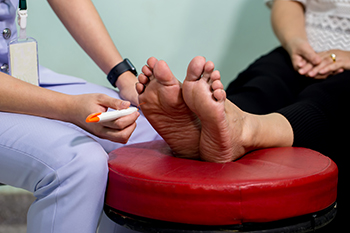
Diabetes is a complex condition that affects various parts of the body, and one often underestimated area is the feet. One of the most common diabetes-related foot problems is neuropathy, which can result in a loss of sensation. Additionally, it can cause tingling, pain, or weakness in the foot. This loss of sensation can lead to injuries that are unnoticed, such as stepping on a tack or developing a blister, which can worsen and become infected. In addition, nerve damage can also alter the shape of your feet and toes, making it essential to avoid wearing ill-fitting shoes. Having high blood sugar levels for an extended period of time can also cause blood vessels in the foot and leg to narrow and harden, inhibiting proper blood flow to the extremities. This poor circulation to the feet makes them less able to heal and fight off infections and can result in the development of ulcers. If left unattended, foot ulcers can turn into gangrene and possibly the loss of a limb. Wearing proper footwear, lifestyle changes, and working closely with your podiatrist are essential steps in managing diabetes and protecting your feet from complications. If you have foot problems that result from diabetes, it is suggested that you make regular appointments to see a podiatrist for checkups.
Diabetic foot care is important in preventing foot ailments such as ulcers. If you are suffering from diabetes or have any other concerns about your feet, contact the doctors from Advanced Podiatry. Our doctors can provide the care you need to keep you pain-free and on your feet.
Diabetic Foot Care
Diabetes affects millions of people every year. The condition can damage blood vessels in many parts of the body, especially the feet. Because of this, taking care of your feet is essential if you have diabetes, and having a podiatrist help monitor your foot health is highly recommended.
The Importance of Caring for Your Feet
Patients with diabetes should have their doctor monitor their blood levels, as blood sugar levels play such a huge role in diabetic care. Monitoring these levels on a regular basis is highly advised.
It is always best to inform your healthcare professional of any concerns you may have regarding your feet, especially for diabetic patients. Early treatment and routine foot examinations are keys to maintaining proper health, especially because severe complications can arise if proper treatment is not applied.
If you have any questions, please feel free to contact our offices located in Union, NJ and New York . We offer the newest diagnostic and treatment technologies for all your foot care needs.
Diabetes affects millions of people every year. Blood vessels located all over the body are damaged due to diabetes—even the blood vessels of the feet. Neuropathy, or nerve damage, can result from slower blood flow in the legs and feet. In diabetic patients, neuropathy is very important to monitor, as diabetics are at risk for developing ulcers.
Always washing and thoroughly drying the feet are pertinent parts of diabetic foot care. There should be a focus on cleaning between the toes. Even if no pain is felt, the entire foot should be examined for redness and sores. Neuropathy can often mask the pain of sores and ulcers and can cause these conditions to be overlooked. Use a mirror to examine the underside of your feet if needed. It is recommended that diabetics wear well-fitting socks.
Patients with diabetes should have their specialist monitor their blood levels because blood sugar levels play a huge role in diabetic care. Monitoring these levels on a regular basis is highly advised. It is very important to keep your blood sugar levels in the normal range, which can be determined by your provider. There are medications that may be prescribed to help with any neuropathy experienced by the diabetic patient. It is also advisable to visit a podiatrist if one is experiencing any conditions involving the feet, such as ingrown toenails, which in more severe cases can cause infection.
Diabetic feet must be inspected daily. Diabetic foot care at home is possible if a patient is provided with instructions from their podiatrist. Patients can relieve dry heels with creams or ointments. Suspected wounds should warrant an immediate call to the podiatrist. Gangrene is a serious problem for diabetics and can lead to sepsis and amputation in its worst cases. Early treatment and daily inspection of diabetic feet are keys to staying healthy.

 Advanced Podiatry - Default