NJ (908) 688-5577
NY (212) 737-2528

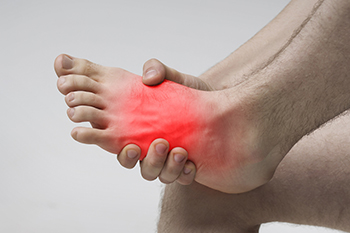
Engaging regularly in high-impact activities, like basketball, running, or professional dancing, may expose you to the discomfort of a foot stress fracture. This overuse injury involves hairline cracks in weight-bearing bones of the foot. If left untreated, a stress fracture in the foot can escalate into a more serious concern. However, stress fractures are not always easy to diagnose. Pain upon weight-bearing activities that often subsides after rest is a primary indicator of stress fractures. Tenderness in the affected area, occasional bruising, and swelling around the ankle are other signs to be noted. Various factors contribute to the development of stress fractures in the foot. Overuse and repetitive stress, stemming from prolonged engagement in activities without adequate rest, can subject the foot bones to cumulative stress. Wearing inadequate footwear, whether ill-fitting or worn-out, further elevates the risk by providing insufficient support and shock absorption. Additionally, suddenly increasing the intensity or duration of physical activity can overwhelm the bones, especially without sufficient time to adapt. Nutritional deficiencies, particularly in calcium and vitamin D, can weaken bones and make them more susceptible to hairline fractures. If you believe you may have incurred a foot stress fracture, it is suggested that you make an appointment with a podiatrist for a thorough exam and suitable imaging tests and treatment options.
Stress fractures occur when there is a tiny crack within a bone. To learn more, contact Glenn Davison, DPM from Advanced Podiatry. Our doctor can provide the care you need to keep you pain free and on your feet.
How Are They Caused?
Stress fractures are the result of repetitive force being placed on the bone. Since the lower leg and feet often carry most of the body’s weight, stress fractures are likely to occur in these areas. If you rush into a new exercise, you are more likely to develop a stress fracture since you are starting too much, too soon. Pain resulting from stress fractures may go unnoticed at first, however it may start to worsen over time.
Risk Factors
Stress fractures do not always heal properly, so it is important that you seek help from a podiatrist if you suspect you may have one. Ignoring your stress fracture may cause it to worsen, and you may develop chronic pain as well as additional fractures.
If you have any questions please contact our offices located in Union, NJ and New York . We offer the newest diagnostic and treatment technologies for all your foot and ankle needs.
Our bones are important aspects of our body and they are constantly changing. The heavier the workload for a bone, the more likely it is that calcium will be placed in it. When a bone isn’t used often, there won’t be much calcium within it. When stress from repetitive loads prevent the bone from being able to repair itself, cracks will start to form. Stress fractures are defined as cracks in a bone that result from repetitive force, such as overuse.
The most common cause of stress fractures is a sudden increase in intensity and duration of physical activity. For example, if you begin to run long distances without working your way into doing so, you will be more likely to develop a stress fracture.
Common symptoms of stress fractures are pain and swelling near the weight bearing area on the injured bone. When initial x-rays are performed, it is possible that the fracture will not show up. However, once the stress on the area continues, the damage will increase, and the fracture will be severe enough to show up on an x-ray. Certain parts of the foot are more likely to develop stress fractures than others. Areas that typically have these fractures are: the metatarsals, the navicular bone, the calcaneus, tibia, and fibula.
Since women are at an increased risk of developing osteoporosis, they are twice as likely as men to sustain a stress fracture. Additionally, old age causes a decrease in bone mineral density which is why elderly people are also likely to develop these fractures.
It is important for you to be professionally diagnosed by a podiatrist if you suspect you have a stress fracture, because there are other injuries that can easily be mistaken for a fracture. Sprains, strains, shin splints, plantar fasciitis, and Morton’s neuroma can all easily be mistaken for stress fractures in the foot. Your podiatrist will likely ask you a series of questions to determine what type of pain you are experiencing. These questions will help your doctor identify whether you have a stress fracture.
The best method of treatment for a stress fracture is rest. Additionally, a walking boot, cast, or crutches, will help rest the area that is injured. The typical healing time for stress fractures is 4-12 weeks, however this depends on which bone is involved.

Diabetes is a complex condition that affects various parts of the body, and one often underestimated area is the feet. One of the most common diabetes-related foot problems is neuropathy, which can result in a loss of sensation. Additionally, it can cause tingling, pain, or weakness in the foot. This loss of sensation can lead to injuries that are unnoticed, such as stepping on a tack or developing a blister, which can worsen and become infected. In addition, nerve damage can also alter the shape of your feet and toes, making it essential to avoid wearing ill-fitting shoes. Having high blood sugar levels for an extended period of time can also cause blood vessels in the foot and leg to narrow and harden, inhibiting proper blood flow to the extremities. This poor circulation to the feet makes them less able to heal and fight off infections and can result in the development of ulcers. If left unattended, foot ulcers can turn into gangrene and possibly the loss of a limb. Wearing proper footwear, lifestyle changes, and working closely with your podiatrist are essential steps in managing diabetes and protecting your feet from complications. If you have foot problems that result from diabetes, it is suggested that you make regular appointments to see a podiatrist for checkups.
Diabetic foot care is important in preventing foot ailments such as ulcers. If you are suffering from diabetes or have any other concerns about your feet, contact Glenn Davison, DPM from Advanced Podiatry. Our doctor can provide the care you need to keep you pain-free and on your feet.
Diabetic Foot Care
Diabetes affects millions of people every year. The condition can damage blood vessels in many parts of the body, especially the feet. Because of this, taking care of your feet is essential if you have diabetes, and having a podiatrist help monitor your foot health is highly recommended.
The Importance of Caring for Your Feet
Patients with diabetes should have their doctor monitor their blood levels, as blood sugar levels play such a huge role in diabetic care. Monitoring these levels on a regular basis is highly advised.
It is always best to inform your healthcare professional of any concerns you may have regarding your feet, especially for diabetic patients. Early treatment and routine foot examinations are keys to maintaining proper health, especially because severe complications can arise if proper treatment is not applied.
If you have any questions, please feel free to contact our offices located in Union, NJ and New York . We offer the newest diagnostic and treatment technologies for all your foot care needs.
Diabetes affects millions of people every year. Blood vessels located all over the body are damaged due to diabetes—even the blood vessels of the feet. Neuropathy, or nerve damage, can result from slower blood flow in the legs and feet. In diabetic patients, neuropathy is very important to monitor, as diabetics are at risk for developing ulcers.
Always washing and thoroughly drying the feet are pertinent parts of diabetic foot care. There should be a focus on cleaning between the toes. Even if no pain is felt, the entire foot should be examined for redness and sores. Neuropathy can often mask the pain of sores and ulcers and can cause these conditions to be overlooked. Use a mirror to examine the underside of your feet if needed. It is recommended that diabetics wear well-fitting socks.
Patients with diabetes should have their specialist monitor their blood levels because blood sugar levels play a huge role in diabetic care. Monitoring these levels on a regular basis is highly advised. It is very important to keep your blood sugar levels in the normal range, which can be determined by your provider. There are medications that may be prescribed to help with any neuropathy experienced by the diabetic patient. It is also advisable to visit a podiatrist if one is experiencing any conditions involving the feet, such as ingrown toenails, which in more severe cases can cause infection.
Diabetic feet must be inspected daily. Diabetic foot care at home is possible if a patient is provided with instructions from their podiatrist. Patients can relieve dry heels with creams or ointments. Suspected wounds should warrant an immediate call to the podiatrist. Gangrene is a serious problem for diabetics and can lead to sepsis and amputation in its worst cases. Early treatment and daily inspection of diabetic feet are keys to staying healthy.

Plantar warts are small growths that develop on parts of the feet that bear weight. They're typically found on the bottom of the foot. Don't live with plantar warts, and call us today!

Gout is not only about discomfort. If not addressed, especially when it is ongoing, it can evolve into major health challenges over the years. There are formations called tophi, which essentially are hardened clusters of urate crystals. These can emerge in various areas, including the feet. Even though they might not always be painful, neglecting them can harm your bones, cartilage, and joints. With prolonged gout, individuals often experience regular joint inflammation. This consistent swelling, combined with tophi, can result in permanent joint alterations and rigidity. In extreme situations, surgical intervention might be necessary to rectify or even replace damaged joints. Additionally, gout raises the likelihood of kidney stone formation. This happens because urate crystals can accumulate in the urinary system. Over time, if these stones block your kidneys, it can lead to scarring and damage. There's a belief that this kind of kidney damage, if not treated, can progress to chronic kidney ailments. Moreover, the persistent pain due to chronic gout can be mentally taxing. It can hinder daily activities like walking and working, leading to emotional strain. If you have gout, it is strongly suggested that you make a n appointment with a podiatrist to get treatment for this painful affliction before it takes more of a toll on your body and mind.
Gout is a painful condition that can be treated. If you are seeking treatment, contact Glenn Davison, DPM from Advanced Podiatry. Our doctor will treat your foot and ankle needs.
What Is Gout?
Gout is a form of arthritis that is characterized by sudden, severe attacks of pain, redness, and tenderness in the joints. The condition usually affects the joint at the base of the big toe. A gout attack can occur at any random time, such as the middle of the night while you are asleep.
Symptoms
Risk Factors
Prior to visiting your podiatrist to receive treatment for gout, there are a few things you should do beforehand. If you have gout you should write down your symptoms--including when they started and how often you experience them, important medical information you may have, and any questions you may have. Writing down these three things will help your podiatrist in assessing your specific situation so that he or she may provide the best route of treatment for you.
If you have any questions, please feel free to contact our offices located in Union, NJ and New York . We offer the newest diagnostic and treatment technologies for all your foot care needs.
Gout, typically found in diabetic patients, is an unusually painful form of arthritis caused by elevated levels of uric acid in the bloodstream. The condition typically strikes the big joint on the big toe. It has also been known to strike the knees, elbows, fingers, ankles and wrists—generally anywhere that has a functioning, moving joint.
The high level of uric acid in a person’s bloodstream creates the condition known as hyperuricema—the main cause of gout. Genetic predisposition occurs in nine out of ten sufferers. The children of parents who suffer gout will have a two in ten chance of developing the condition as well.
This form of arthritis, being particularly painful, is the leftover uric acid crystallizing in the blood stream. The crystallized uric acid then travels to the space between joints where they rub, causing friction when the patient moves. Symptoms include: pain, redness, swelling, and inflammation. Additional side effects may include fatigue and fever, although reports of these effects are very rare. Some patients have reported that pain may intensify when the temperature drops, such as when you sleep.
Most cases of gout are easily diagnosed by a podiatrist’s assessment of the various symptoms. Defined tests can also be performed. A blood test to detect elevated levels of uric acid is often used as well as an x-ray to diagnose visible and chronic gout.
Treatment for gout simply means eliminating symptoms. Non-steroid anti-inflammatory drugs or NSAIDs (Colchicine and other corticosteroid drugs, etc.) will quell the redness, the swelling, and the inflammation. However, managing your diet, lifestyle changes, and using preventative drugs are all helpful toward fully combating the most severe cases.
Those that lead an inactive lifestyle are at a higher risk for gout. Any amount of exercise decreases the probability of repeat encounters with the condition. Reducing your consumption of red meat, sea food, and fructose-sweetened drinks also reduces the likelihood of chronic gout as well.
Ingesting Vitamin C, coffee, and particular dairy products can help with maintaining a healthy lifestyle. There are new drugs out on the market that inhibit the body’s production of uric acid-producing enzymes. However, reducing or eliminating your overall levels of uric acid is the best remedy to ensuring you lead a gout-free life.
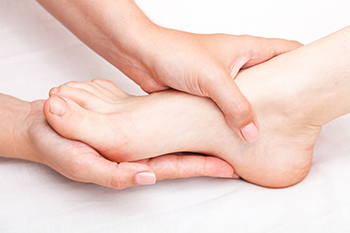
Plantar fibromatosis is a relatively rare, but often painful, condition that affects the plantar fascia, the thick band of tissue running along the bottom of the foot. Unlike more common foot problems, such as bunions or heel spurs, plantar fibromatosis is marked by the development of fibrous nodules or lumps within the plantar fascia. These nodules can vary in size and are typically firm to the touch. They often form in the arch of the foot but can appear in other areas as well. While the exact cause of plantar fibromatosis remains unclear, it's thought to be related to genetic factors and may also be influenced by trauma or injury to the foot. The condition is typically benign but can be quite painful, affecting one's ability to walk and engage in regular activities. Understanding plantar fibromatosis is important for early diagnosis and appropriate care, as it can help individuals find relief from this challenging foot condition. If you have developed this ailment, it is suggested that you confer with a podiatrist who can confirm the diagnosis and offer appropriate relief and treatment methods.
A plantar fibroma may disrupt your daily activities. If you have any concerns, contact Glenn Davison, DPM of Advanced Podiatry. Our doctor can provide the care you need to keep you pain-free and on your feet.
Plantar Fibroma
A plantar fibroma is a fibrous knot in the arch of the foot. It is embedded in the plantar fascia which is a band of tissue that extends from the heel to the toes along the bottom of the foot. There can be multiple plantar fibromas in the feet at the same time. There are no known causes for this condition. If you have a plantar fibroma, there will be a bump in the arch of your foot that cannot be missed. Any associated pain is most often due to a shoe rubbing against the nodule. Non-surgical options, such as steroid injections, physical therapy, and orthotics should be tried first. Surgery is a last resort and is the only thing that will remove a plantar fibroma entirely. Consult with a podiatrist for a proper diagnosis and to determine the treatment regimen that is right for you.
What Causes a Plantar Fibroma?
While there are no specific causes identified, a plantar fibroma can possibly come from genetic predisposition or the formation of scar tissue that forms from healing the tears in the plantar fascia.
What Are the Symptoms of a Plantar Fibroma?
There will be a noticeable lump in the arch of the foot that may or may not cause pain. If pain is felt, it is typically because a shoe is rubbing up against the lump or when walking or standing barefoot.
Treatment and Prevention
A plantar fibroma will not disappear without treatment, but it can get smaller and be a non-issue. If pain persists, a podiatrist examines the foot and when the arch of the foot is pressed, pain can be felt down to the toes. An MRI or biopsy might be performed to help diagnose or evaluate the plantar fibroma. The following non-surgical options are generally enough to reduce the size and pain of these nodules:
Surgery is considered if the mass increases in size and the patient continues to feel pain after non-surgical methods are tried.
If you have any questions, please feel free to contact our offices located in Union, NJ and New York . We offer the newest diagnostic and treatment technologies for all your foot care needs.
A plantar fibroma is a knot in the arch of the foot. It can cause pain when repeated pressure is applied by walking barefoot or wearing tight shoes. While plantar fibromas can appear in anyone, men who are middle-aged or older are said to be more susceptible. The main symptom of a plantar fibroma is a firm lump on the arch of the foot. If there is pain, it can be intensified by putting pressure on the nodule. The lump can stay one size or grow larger. You may have one or more fibromas in the feet and there tends to be a high incidence of recurring plantar fibromas. Generally, a plantar fibroma can be treated without surgery. Treatment might include steroid injections to help shrink the lump, orthotics to help redistribute weight away from the nodule, plantar fascia stretching, or physical therapy to help use anti-inflammatory medication on the lump. If a lump grows larger or more painful, a podiatrist can be consulted to confirm the diagnosis. The doctor will palpate the lump and this may cause pain that can be felt all the way to the toes. An X-ray, MRI, or biopsy might be done if further evaluation is necessary. A lump in the arch of the foot might be something other than a plantar fibroma, such as cysts, nerve or fatty tumors, swollen tendons, or an infection in the foot. It is important to see a podiatrist for proper diagnosis and treatment of plantar fibromas.

Managing foot and ankle pain can be unsettling, as it hampers daily activities and quality of life. Fortunately, there are exercises you can incorporate into your routine that may help to alleviate discomfort and promote healing. Stretching exercises, such as calf stretches and ankle circles, can improve flexibility and reduce tension. Toe scrunches, where you simply curl and release your toes, can help strengthen the muscles in your feet. Rolling a tennis ball or frozen water bottle under your foot can provide a soothing massage and alleviate pain. Balancing exercises, such as standing on one foot, can enhance stability and prevent future injuries. Chronic pain and discomfort from the ankle or foot warrant a visit to the podiatrist. If you are experiencing a foot or ankle condition, it is suggested that you consult with this type of doctor who can recommend foot exercises and stretches that are tailored for you.
Ankle pain can be caused by a number of problems and may be potentially serious. If you have ankle pain, consult with Glenn Davison, DPM from Advanced Podiatry. Our doctor will assess your condition and provide you with quality foot and ankle treatment.
Ankle pain is any condition that causes pain in the ankle. Due to the fact that the ankle consists of tendons, muscles, bones, and ligaments, ankle pain can come from a number of different conditions.
Causes
The most common causes of ankle pain include:
Symptoms
Symptoms of ankle injury vary based upon the condition. Pain may include general pain and discomfort, swelling, aching, redness, bruising, burning or stabbing sensations, and/or loss of sensation.
Diagnosis
Due to the wide variety of potential causes of ankle pain, podiatrists will utilize a number of different methods to properly diagnose ankle pain. This can include asking for personal and family medical histories and of any recent injuries. Further diagnosis may include sensation tests, a physical examination, and potentially x-rays or other imaging tests.
Treatment
Just as the range of causes varies widely, so do treatments. Some more common treatments are rest, ice packs, keeping pressure off the foot, orthotics and braces, medication for inflammation and pain, and surgery.
If you have any questions please feel free to contact our offices located in Union, NJ and New York . We offer the newest diagnostic tools and technology to treat your foot and ankle needs.

 Advanced Podiatry - Default